Doors Open Days is coordinated nationally by the Scottish Civic Trust and is part of European Heritage Days. Hundreds of fascinating buildings across Scotland are available to visit for free on different weekends during September.
Two of these open days with public transport themes are featured here:
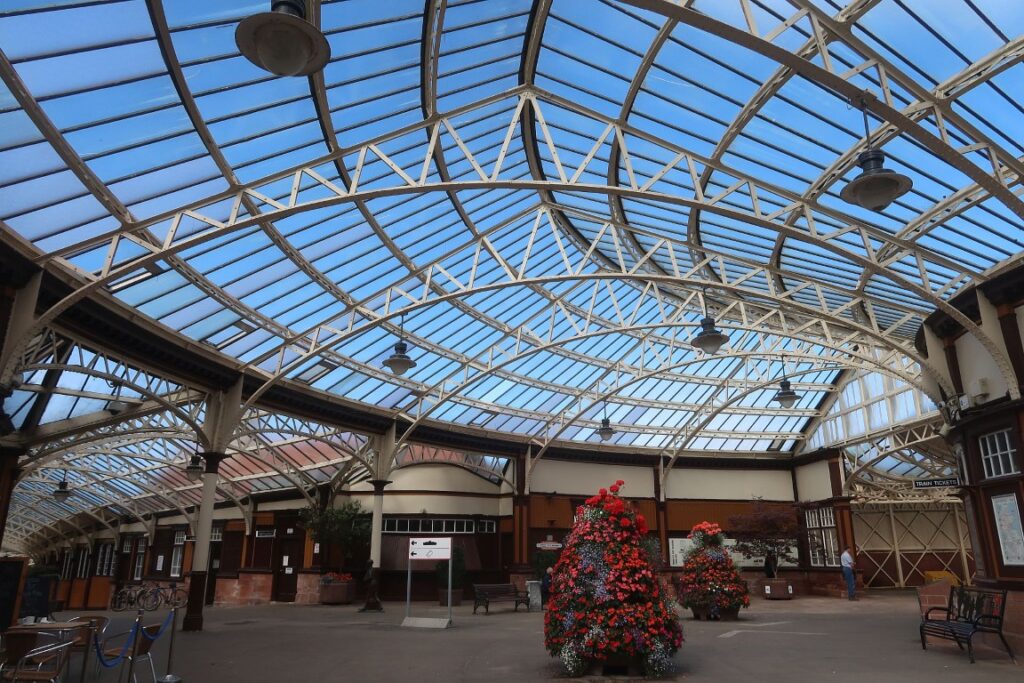
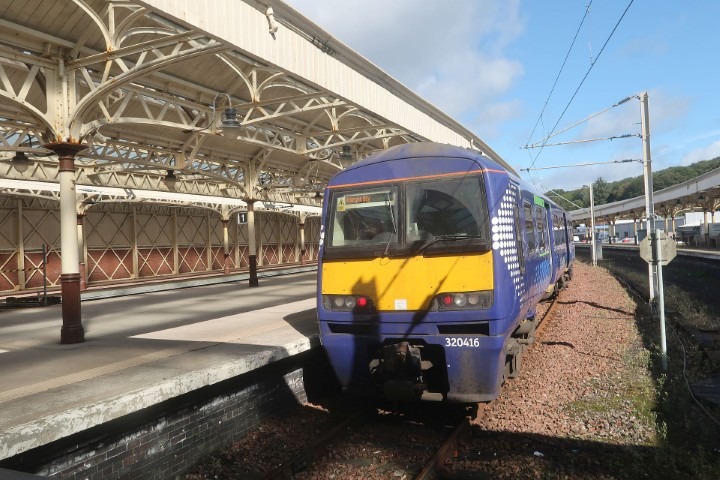
Wemyss Bay station became the first combined rail and ferry terminal on the Clyde Coast in 1865.
Trips on the steamers became very popular, and the facilities became inadequate for the numbers of people passing through. The pier was extended in 1901 and a new station was completed in 1903.
The architect was James Miller and the engineer was Donald Matheson. The main feature of the design is flowing curves to facilitate rapid interchange between the train and steamers. And the double sided layout of platform 1 allowed porters to transfer luggage to the ferries without obstructing passengers.
The station and pier have undergone considerable renovation, and the buildings have been redecorated in the original Caledonian Railway colours. The National Transport Trust have recognised the significance of the site by awarding a ‘Red Wheel’ heritage plaque.
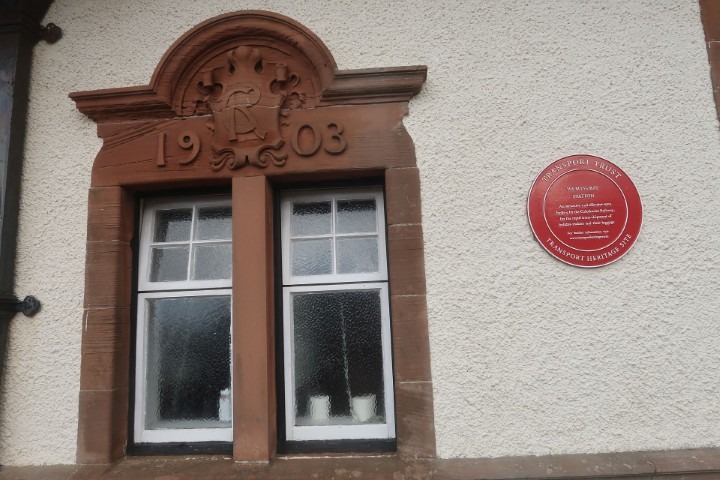
In the former First Class Waiting Rooms and Station Master’s office, the Friends of Wemyss Bay Station now operate an impressive second hand bookshop and gallery, staffed by volunteers.
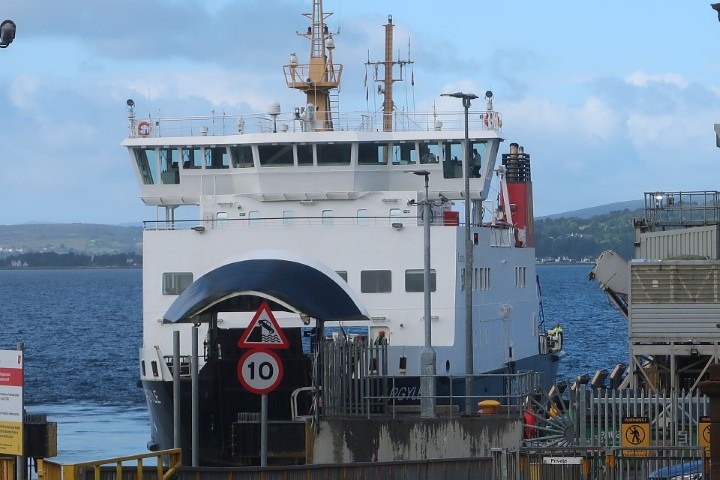
Today, the station is served by a frequent electric train service from Glasgow Central which connect with Caledonian MacBrayne ferries which carry foot passengers and cars across to Rothesay on the Isle of Bute.
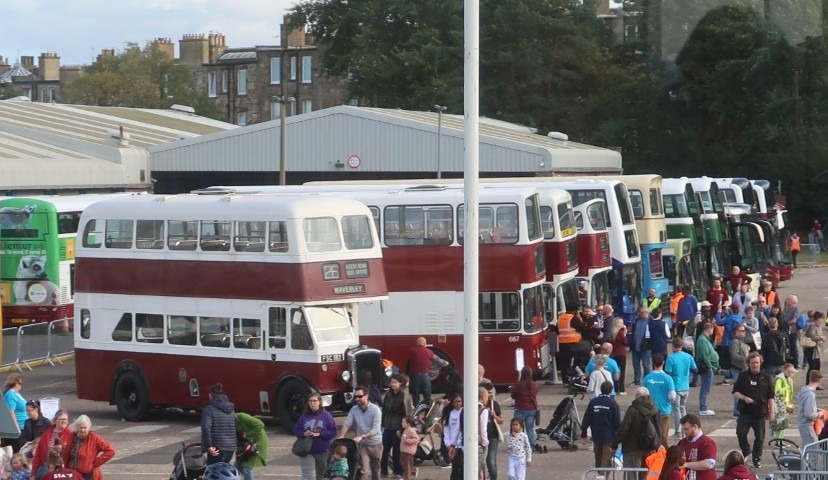
The Open Day at the Marine Depot in Edinburgh attracted over 4,500 visitors. The exterior line up of vehicles contained a variety of buses and coaches from across the current Lothian fleet, together with a selected range of visiting vehicles from the Scottish Vintage Bus Museum at Lathalmond in Fife.
Located just a short shuttle bus trip away from Marine depot, Seafield Coach Works offered a series of visits to pre-booked passengers who had made a donation to the chosen charity of Age Scotland.
The Coach Works had a workload which encompassed bodywork repairs, open top conversions and routine repainting jobs which helped to maintain the Lothian fleet in very smart condition.
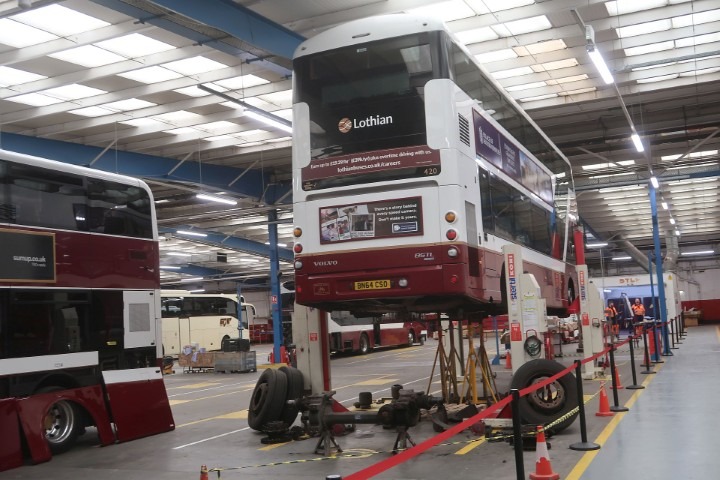
Major repairs can be done in house by using high tech machinery to cut and bend aluminium sheets to the exact dimensions for each type of bus in the Lothian fleet, by programming the specified panel sizes into the machines database. Fibreglass body parts can also be repaired.
Seat cushions require much attention due to wear and tear and incidents of vandalism. Trimming staff carry out hand cutting of moquette and felt to suit the wide range of seating types.
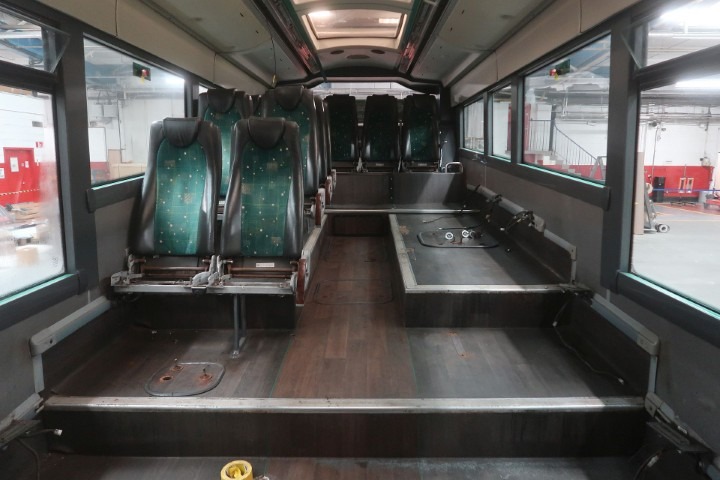
One of the ongoing projects was the refurbishment of green single deck country buses with coach seats for further use in the city bus fleet, including repainting and reseating. The spray painting booth is used to apply the traditional madder and white livery used on the main fleet of city buses.
Neil Wallace
30/09/2026