The Scottish Government’s £2 Bus Fare Cap Pilot is a 12-month initiative to introduce a simplified fare structure to make bus travel more affordable and easier to understand. Supported by a £10 million investment, the pilot is designed to:
- Encourage modal shift by increasing fare-paying patronage.
- Promote equity by supporting low-income passengers and those in fragile communities.
- Improve access to employment, education, and essential services.
- Test feasibility of a fare cap model, including financial and operational viability.
- Identify opportunities to protect and enhance the bus network.
The 12 month pilot has been introduced on a phased basis, operating only in:
- Shetland from 30 January 2026 until January 2027
- Western Isles from 23 February 2026 until February 2027
- Orkney from 9 March 2026 until March 2027
- Highland, Moray, and Argyll and Bute from 23 March 2026 until March 2027
The pilot does not affect the National Concessionary Travel Schemes. Concessionary cardholders can continue to access free journeys with a valid National Entitlement Card.
In Highland, Moray and Argyll and Bute
Single fares will be capped at £2, if your journey starts and ends within Highland, Moray or Argyll and Bute (excluding Helensburgh and Lomond) and it is run by a participating bus operator. The current list of participating operators is given below.
- Assynt Taxi
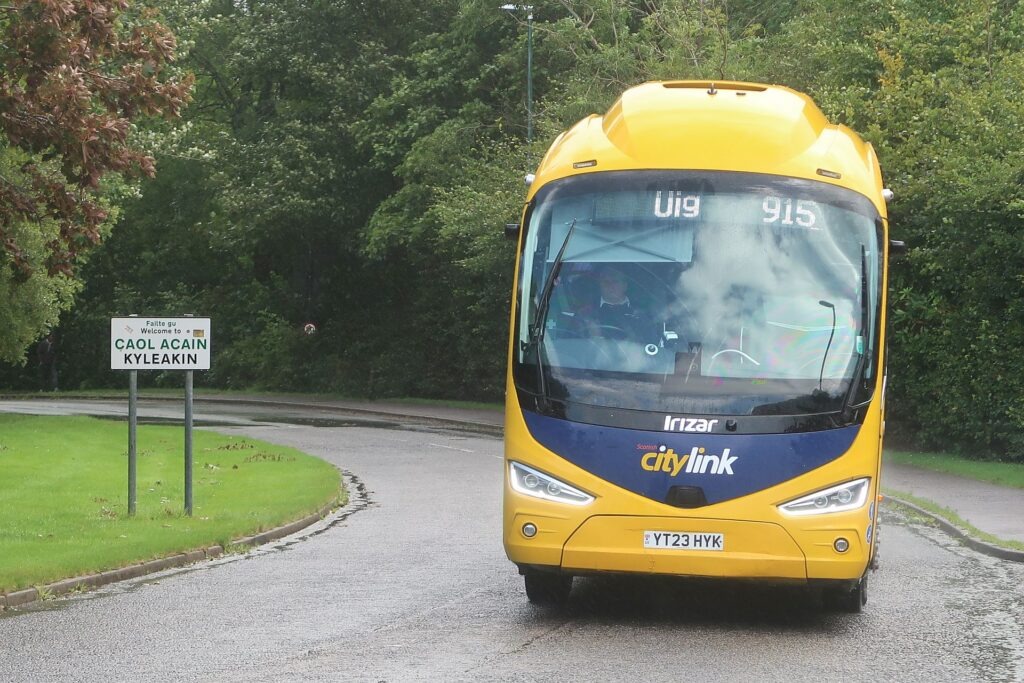
- Citylink
- D&E Coaches
- D M K Motors
- Douglas L Jack
- Dunnett’s Transport Ltd
- Easter Ross Coach Company LLP t/a Rapsons Highland
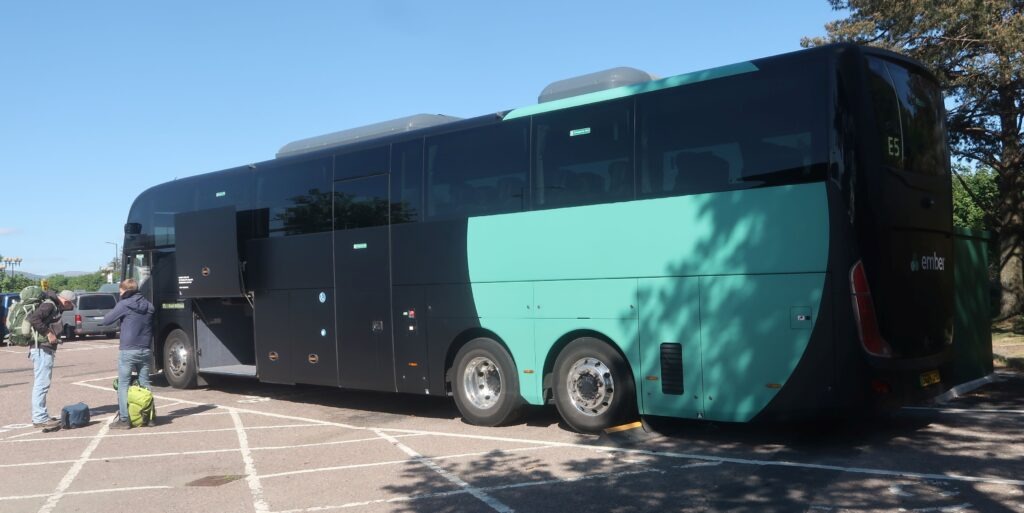
- Ember
- Garelochhead Coaches
- Harvey MacDonald
- Highland Council
- Hugh MacKay
- Lochaber Action on Disability
- Lochcarron Garage
- MacDonald Coaches (Skye) Ltd
- Macleod’s Coaches
- Moray Council m.connect
- Ormlie & Violets Taxis
- Shiel Buses
- Stagecoach
- The Bradbury Centre
- The Durness Bus Ltd
- Transport for Tongue Ltd
- West Coast Motors
- Westerbus
- Where 2 Today
If changing buses (even if it is the same operator) – the cap still applies, but you must buy a ticket for each leg of your journey.
If only part of your journey is within these areas, then you’ll pay £2 for the part of the journey inside these areas, and the normal fare for the rest of your journey. This will be calculated automatically when you purchase your ticket.
This amended normal fare can vary between bus operators and may depend on demand. For example, for travel between Inverness and Glasgow, the Citylink fare may be reduced further if booking online and/or through Megabus for the same journey. Ember fares will be different and the cheapest option might be by FlixBus who are not currently on the above list. Some operators also charge a booking fee, plus the option to reserve a specific seat at additional coat.
If the new £2 fare cap should result in much greater passenger numbers from seasonal visitors, there is a concern that local passengers with specific needs may find their normal services full to capacity. This could be a particularly serious problem for infrequent rural services which sometimes use smaller vehicles, and where it is not possible to book in advance.
Visitors arrived on a mixture of both heritage and modern shuttle buses from Glasgow Central – a selection provided by Glasgow Vintage Vehicle Trust, Scottish Vintage Bus Museum and McGill’s
That Boat of Garten event coincided with the unveiling of a red wheel plaque on behalf of the National Transport Trust to highlight the transport heritage of the Highland Main Line.
NW